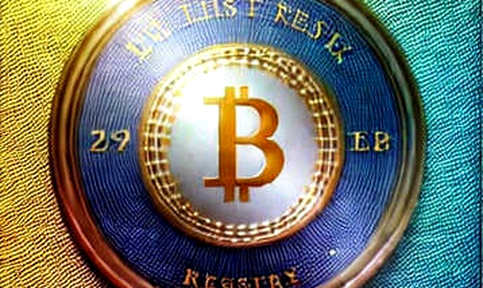
On July 13, at 3:17 AM UTC, a wallet linked to Binance founder Changpeng Zhao sent 700 million CZ tokens and 400 million TCC tokens to a dead address. Within two hours, both memecoins surged anywhere from 50% to 300%. The market had found its dopamine hit for the week. By noon, CZ tweeted: "Just cleaning up my wallet. Too many random tokens. Don’t read too much into it." The market read everything into it. And that, right there, is the tragedy we keep repeating.
Audit complete. The soul remains. The soul here is not of the tokens—they have no soul—but of the market itself: a machine that consumes any signal, no matter how empty, and turns it into speculative noise. We worship the act of burning without asking what is being burned. We celebrate the celebrity gesture without questioning the architecture of the theater. This is not a story about CZ. It is a story about us.
Let me rewind to the context. The CZ token and the TCC token are memecoins—zero utility, zero protocol revenue, zero governance rights. Their only "feature" is their association with a famous name. CZ never endorsed them; they were likely airdropped to him by anonymous teams hoping for a free marketing boost. His wallet became cluttered with hundreds of such tokens. He decided to clear them out. Instead of selling (which would crash price and invite accusations of dumping), he burned them—sent them to a black-hole address. A clean, technically elegant move. A transaction that cost maybe $5 in gas.
And yet the market erupted. Liquidity pools swelled. Social media timelines flooded with "bullish" emojis. Traders who had been sitting on bags for weeks saw their portfolio double overnight. The narrative wrote itself: "CZ believes in our project!" But he said exactly the opposite. He said, "Don’t read too much into it." The market ignored him. Because the market doesn’t trade on facts; it trades on the raw emotional voltage of a name.

This is where my own experience enters the frame. In 2017, I built a static analysis tool called EthGuard Lite to catch reentrancy bugs in ERC-20 contracts. I found 12 critical vulnerabilities in my own project’s codebase. That taught me that code, unlike market sentiment, is unforgiving. You cannot wish away a missing check. But memecoins are exactly that—wishing. They have no code worth auditing. Their entire security model is "will the next person pay more?". And when a figure like CZ touches them, the next person is suddenly willing to pay a lot more.
Let’s dig into the core mechanics. The burn reduces total supply. Simple supply-and-demand economics predicts a price increase if demand stays constant. But demand doesn’t stay constant—it multiplies. The burn becomes a signal that the project is "serious